A few practical details make a big difference on a trip to Morocco: the right plug adapter, knowing whether you can drink the tap water, a local SIM card and some basic etiquette. Here are the essential Morocco travel tips to know before you go.
Morocco plug type and voltage
| Plug types | C and E (two round pins, the same as in France and most of Europe) |
| Voltage | 220 V |
| Frequency | 50 Hz |
- From most of Europe: no adapter needed.
- From the UK, USA, Canada, India or China: bring a type C/E adapter. Phone and laptop chargers usually accept 100–240 V; check the label.
- Hair dryers and straighteners from the USA (110 V) need a voltage converter.
- Old riads sometimes have few sockets: a small multi-plug is useful.
Is tap water safe in Morocco?
Tap water in Moroccan cities is treated and officially drinkable, and locals drink it. But its mineral content and bacteria can upset sensitive stomachs, so most travellers prefer bottled or filtered water, especially for a short trip.
- Bottled water is cheap and sold everywhere.
- Brushing your teeth with tap water is fine for most people.
- In rural areas and the desert, drink bottled water only.
- A reusable bottle with a filter reduces plastic waste.
SIM cards and internet
- Local SIM cards from Maroc Telecom, Orange and Inwi are cheap and sold at the airport and in shops; bring your passport.
- eSIM: convenient if your phone supports it; activate it before landing.
- Wi-Fi is common in riads, hotels and cafés, but can be slow in the medina and the desert.
Money
- The currency is the Moroccan dirham, a closed currency: change money on arrival or use ATMs.
- Cash is king in souks, taxis and small restaurants.
- Always pay in dirhams when a terminal offers another currency.
Details in our Morocco currency guide. For tips, see our guide to tipping in Morocco.
More Morocco travel tips
Etiquette
- Greet people with "Salam alaikum" and say "Shukran" (thank you).
- Dress modestly in medinas and rural areas; see what to wear in Morocco.
- Ask before photographing people.
- Use your right hand to eat from shared dishes and to give or receive money.
- Most mosques are closed to non-Muslims, except the Hassan II Mosque in Casablanca on guided tours.
Ramadan
During Ramadan, many restaurants close during the day and opening hours change. Eating, drinking or smoking in public during the day is disrespectful. Evenings after sunset are lively and festive.
Scams and hassle
- Politely decline unofficial guides who offer to show you the way.
- Agree on taxi prices in advance or ask for the meter.
- Be wary of "the road is closed" or "the tannery is this way" tricks.
- Bargain with a smile in the souks: start at around half the first price.
Safety and health
- Morocco is generally safe for tourists; watch your belongings in crowds.
- Bring sunscreen, a hat and a basic first-aid kit.
- Take out travel insurance for Morocco: European health cards are not valid there.
Getting around
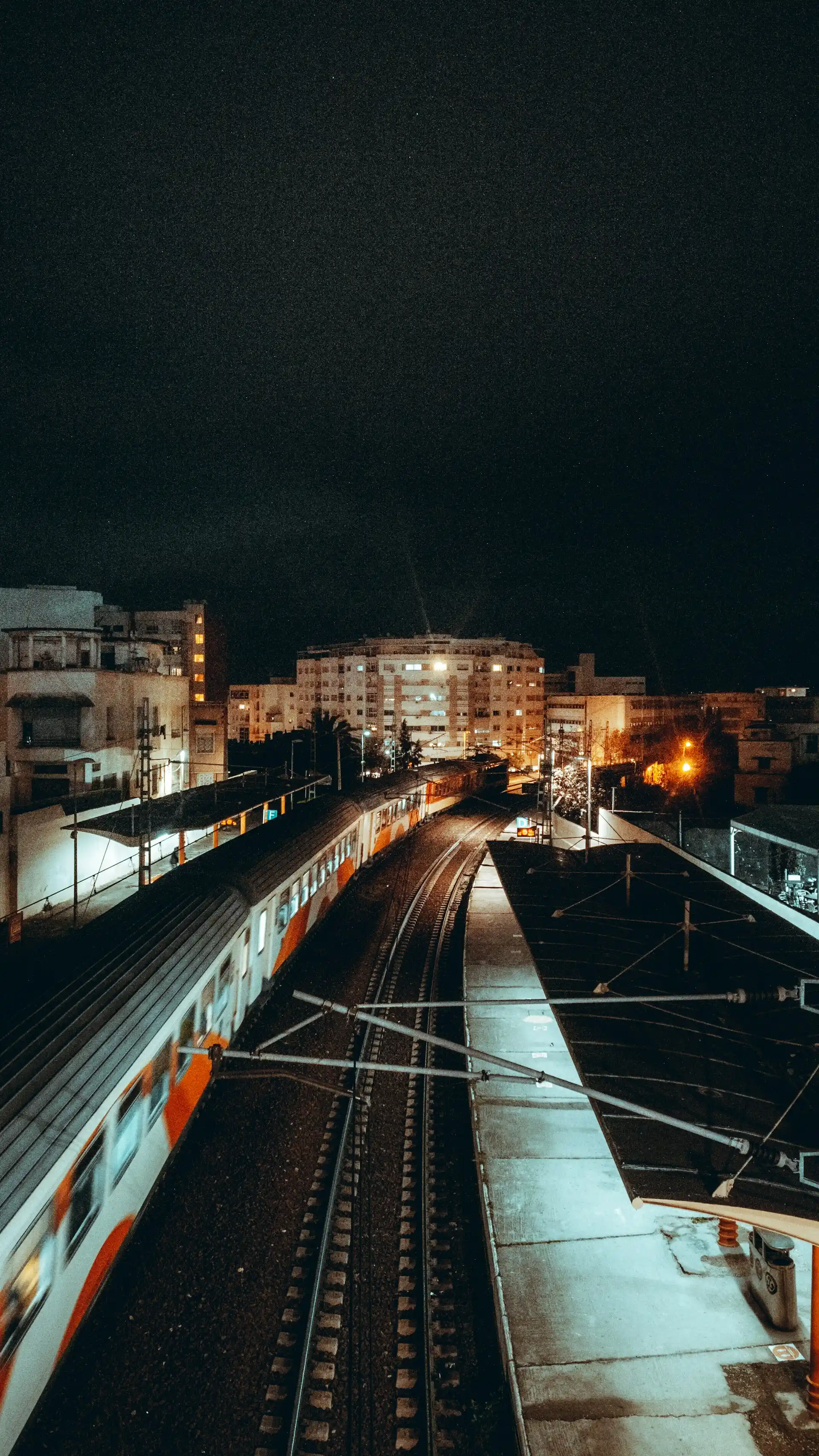
- Trains link the main cities; see our guide to the Morocco train.
- For the Atlas and the desert, consider renting a car in Morocco or a guided tour.
FAQ
What plug type is used in Morocco? Types C and E, with two round pins, at 220 V and 50 Hz. Travellers from the UK, USA, India or China need an adapter.
Is tap water safe in Morocco? It is treated and drinkable in cities, but many travellers prefer bottled water to avoid stomach upsets, especially on short trips.
Do I need a local SIM card in Morocco? It is cheap and useful for maps and taxis. Buy one at the airport with your passport, or use an eSIM.
Is Morocco safe for tourists right now? Morocco is generally considered safe for tourists. Take normal precautions and check your government's travel advice before you go.
Planning your trip to Morocco? Our team helps you build the right itinerary. Get personalized advice →