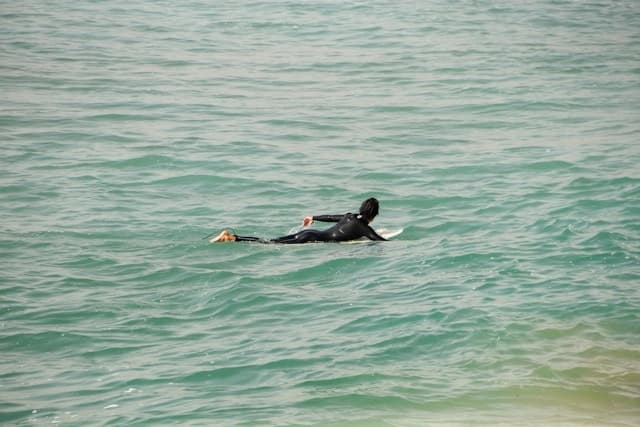
Morocco has become Europe's favorite winter surf destination. Consistent Atlantic swell, 300+ sunny days, water temperatures that stay surfable year-round, cheap accommodation, excellent food, and a beach culture that hasn't yet been ruined by overcrowding — it's everything. For European surfers, it's a 3-hour flight to waves that simply don't exist at home.
This guide covers every significant surf spot in Morocco, what level each requires, when to visit, and everything practical about making a surf trip here work.
Why Morocco for Surfing?
| Factor | Morocco | Bali | Portugal |
|---|---|---|---|
| Winter swell consistency | ⭐⭐⭐⭐⭐ | ⭐⭐ | ⭐⭐⭐⭐ |
| Crowd levels | ⭐⭐⭐⭐ | ⭐⭐ | ⭐⭐⭐ |
| Cost | ⭐⭐⭐⭐⭐ | ⭐⭐⭐⭐ | ⭐⭐⭐ |
| Water temperature | ⭐⭐⭐ | ⭐⭐⭐⭐⭐ | ⭐⭐⭐ |
| Wave variety | ⭐⭐⭐⭐⭐ | ⭐⭐⭐⭐ | ⭐⭐⭐⭐ |
| Cultural experience | ⭐⭐⭐⭐⭐ | ⭐⭐⭐⭐ | ⭐⭐⭐ |
Best Surf Season
October-April: The prime surf season. Consistent Atlantic swells from North Atlantic storms, offshore winds, water temperature 17-20°C (wetsuit required). This is when professional surfers make the pilgrimage.
May-September: Smaller swells, warmer water, fewer surfers. Still surfable especially for beginners, but experienced surfers find it underwhelming.
Year-round: The Atlantic never completely switches off. Even in summer you can find rideable waves, particularly at more exposed breaks.
Taghazout — Morocco's Surf Capital
Taghazout village, 20km north of Agadir, is the center of Moroccan surf culture. What was a small fishing village 20 years ago is now a global surf destination — without having entirely lost its original character. Fish restaurants still serve the morning catch. The village tea shop still operates. But around it: surf schools, yoga studios, organic cafés, surf hostels, and equipment rental shops.
Anchor Point ⭐⭐⭐⭐⭐
Level: Intermediate-Advanced Wave type: Right-hand point break When it works: October-April, needs 4ft+ swell What it is: Morocco's most famous wave. A long, fast right-hander that peels for 200-400 meters on a good day. When it's working properly, it's world-class. Gets crowded when swell hits — arrive early or accept your place in the lineup.
Killer Point ⭐⭐⭐⭐
Level: Advanced Wave type: Right-hand point break When it works: Bigger swells, October-February What it is: The heavy one. Only works in solid swell. When it does, it breaks powerfully over a rock shelf and demands respect. Not for beginners or intermediate surfers.
Panoramas ⭐⭐⭐⭐
Level: Intermediate Wave type: Right-hand point break When it works: Most swells, consistent What it is: The mellow older sibling of Anchor Point. Good waves for intermediates developing their surfing on longer, cleaner rides. More forgiving than Anchor, less crowded.
Banana Point ⭐⭐⭐
Level: Beginner-Intermediate Wave type: Beach break When it works: Most conditions What it is: The first stop for beginners learning to surf reef and point breaks after mastering beach breaks. Consistent, readable waves, good for developing.
Hash Point ⭐⭐⭐
Level: Beginner-Intermediate Wave type: Right-hand point break When it works: Small-medium swells What it is: Right in front of Taghazout village. The wave that locals first learn on. Long, slow, forgiving. Perfect for beginners transitioning from surf school to surfing alone.
Beyond Taghazout
Sidi Kaouki ⭐⭐⭐⭐
Location: 25km south of Essaouira Level: Intermediate What it is: A long, exposed beach break with consistent swell and almost no tourists. The vibe is raw — a handful of surf camps, a legendary simple restaurant, and a marabout (shrine) on the headland. If you want surf without a scene, come here.
Getting there: Grand taxi from Essaouira (€5-8), or rent a car.
Essaouira Beaches ⭐⭐⭐
Level: Beginner-Intermediate (wind sport focused) What it is: Essaouira is primarily Morocco's windsurfing and kitesurfing capital — the same consistent wind that makes it perfect for wind sports makes surfing less ideal (onshore wind = messy waves). But in the right conditions, the surrounding beaches have rideable surf for beginners learning.
Best visit for: Kitesurfing and windsurfing, not surfing.
Imourane ⭐⭐⭐
Location: Between Taghazout and Agadir Level: Beginner-Intermediate What it is: A beach break that works in varied conditions. Less visited than Taghazout spots, more consistent for beginners than the point breaks.
Imsouane ⭐⭐⭐⭐⭐
Location: 2 hours north of Agadir Level: All levels What it is: Imsouane has the longest right-hand wave in Africa — up to 800 meters on a good day in the bay, plus a more powerful point break called Cathedral. The bay wave is mellow enough for longboarders and beginners, the Cathedral for experienced surfers wanting longer rides.
The village itself has a charm similar to Taghazout 10 years ago — a few surf camps, authentic restaurants, and a small fishing community.
This is the underrated gem that serious Moroccan surf tourists are moving to as Taghazout gets more crowded.
Dakhla ⭐⭐⭐⭐⭐
Location: Western Sahara, 1,400km south of Agadir Level: Kitesurfing focus What it is: Not traditional surfing — Dakhla is the world capital of kitesurfing. A shallow lagoon with consistent trade winds creates perfect conditions. International competitions happen here. The landscape is stunning — desert peninsula in the ocean.
Worth it if: You kitesurf or want to learn. Not worth the journey for regular surfing.
Surf Schools & Lessons in Morocco
What to expect from a surf lesson
- Group lessons: 2-3 hours, €20-40/person, 6-8 people per instructor
- Private lessons: 2 hours, €50-80/person, one-on-one attention
- Week-long camps: €200-500, includes accommodation, meals, daily surfing
- Equipment: Always included in lessons (board, wetsuit, rash vest)
Best surf schools in Taghazout
- Taghazout Surf Experience: Highly rated, certified instructors, good for all levels
- Surf Berbère: Long-established, good beginners program
- Morocco Surf Adventures: Good for intermediate-advanced development
What level do you need to be?
- Complete beginner: Any surf school, start on foam boards on beach breaks
- Can ride waves but unsteady: Beginner-intermediate lessons, Banana Point
- Comfortable in surf, want to improve: Intermediate lessons, Panoramas
- Solid surfer: Rent a board, surf Anchor Point/Killer Point independently
Practical Morocco Surf Trip Info
What to bring
- Wetsuits: 3/2mm October-May, boardshorts possible June-September
- Boards: Rentals available everywhere (€15-25/day) but bring your own if particular about boards
- Wax: Available locally but bring tropical wax if you're fussy
- Rash vest: Important for sun protection even in winter
Getting around surf spots
- Rental car: Best option — gives complete flexibility to follow swell and check different spots
- Local taxi: Can negotiate for surf spots, €20-40 for day
- Surf camp transport: Most camps run shuttle buses to spots
Accommodation for surfers
- Budget hostels (Taghazout): €15-25/night dormitory
- Surf camps (all-inclusive): €50-120/night including meals, board rental, daily sessions
- Boutique surf guesthouses: €60-100/night, breakfast included
- Self-catering apartments: €30-50/night for longer stays
Water temperature & wetsuit guide
| Month | Water Temp | Wetsuit |
|---|---|---|
| Jan-Mar | 17-18°C | 4/3mm or 3/2mm |
| Apr-May | 18-19°C | 3/2mm |
| Jun-Sep | 20-23°C | 2mm or boardshorts |
| Oct-Dec | 18-20°C | 3/2mm |
Best Itineraries for Surf Trips
1 week, first Morocco surf trip
Days 1-2: Arrive Agadir, acclimatize, beginner lessons at Banana Point
Days 3-4: Taghazout based, surf Panoramas, explore Hash Point
Day 5:    Day trip to Imsouane (the long wave)
Days 6-7: Anchor Point attempts or back to Panoramas
2 weeks, intermediate surfer
Days 1-3: Taghazout — Anchor Point, Panoramas
Days 4-5: Drive north to Imsouane
Days 6-7: Sidi Kaouki (Essaouira area)
Days 8-9: Rest in Essaouira, cultural day
Days 10-14: Return to Taghazout for swell forecast chasing
FAQ
Is Morocco good for beginner surfers? Excellent. Taghazout has a strong infrastructure for learning — certified schools, beginner-friendly breaks, and the all-in surf camp format makes learning easier. Hash Point and Banana Point are ideal for beginners.
Can I surf in Morocco without a wetsuit? June-September: possibly in boardshorts if you run warm. October-May: definitely need at least a 3/2mm wetsuit. The Atlantic water is cold.
Is Taghazout expensive? Relatively cheap. Hostel beds from €15. Full-board surf camps from €60-80/night. Food is very affordable — €5-10 for a good meal. Cheaper than comparable surf destinations in Portugal or the Canaries.
Is it safe to surf in Morocco? Yes. The main hazards are the same as any surf destination: rocks at point breaks, currents, and swell size management. Surf within your ability level. There's no significant crime or personal safety concern specific to surf spots.
When's the best month to surf in Morocco? November-February for the most consistent and powerful swell. October and March-April for good swell with fewer crowds and slightly warmer days.
Final Thoughts
Morocco surfing is a lifestyle trip as much as a surf trip. The combination of consistent waves, desert backdrop, cheap and delicious food, and genuine culture makes it different from Bali or Portugal.
Arrive in November, stay 2 weeks, and let the swell dictate your schedule. That's the Morocco surf experience.
Planning a surf trip to Morocco? Our team helps with surf camp bookings, accommodation, and combining surfing with the rest of Morocco. Get in touch →